AI Photo Production.
One studio shoot trains a per-talent diffusion model. From there, a stylist art-directs every new campaign through a structured prompt schema — stills first, then animated — without bringing the talent back.
One studio day. Every campaign that follows.
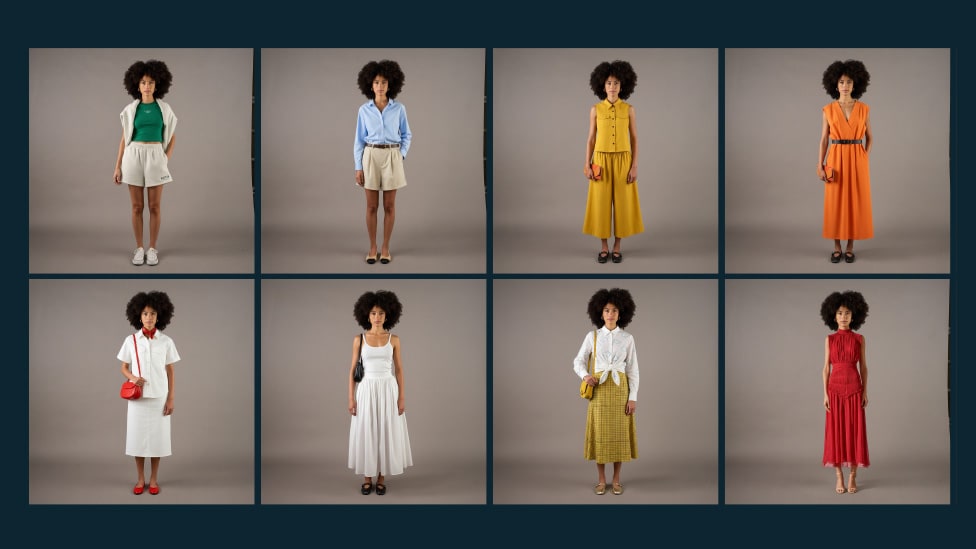
McArthurGlen runs a roster of named talent across seasonal campaign cycles. The status quo was a fresh shoot per talent per campaign — booking the talent, the location, the wardrobe, and the crew, every time. We replaced that with a single annotated studio day per talent, captured for training.
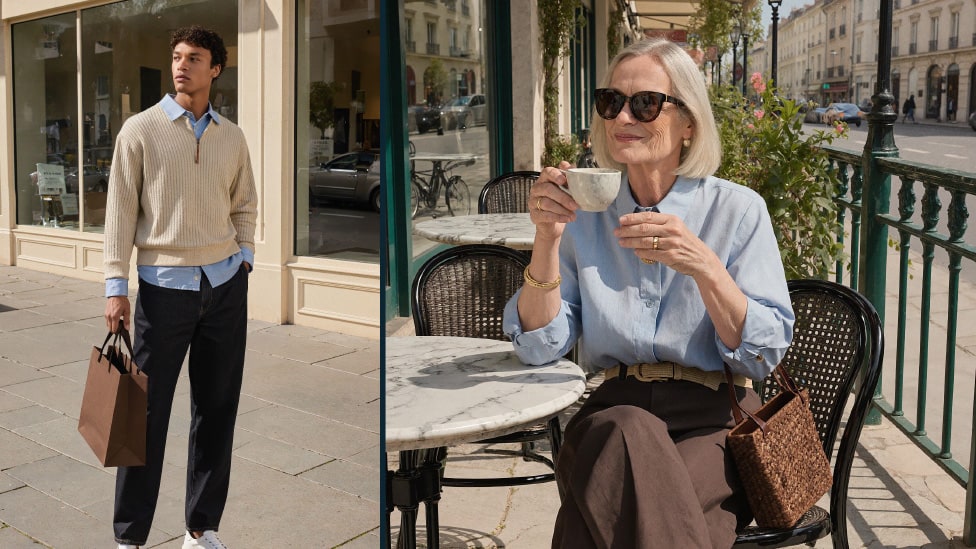
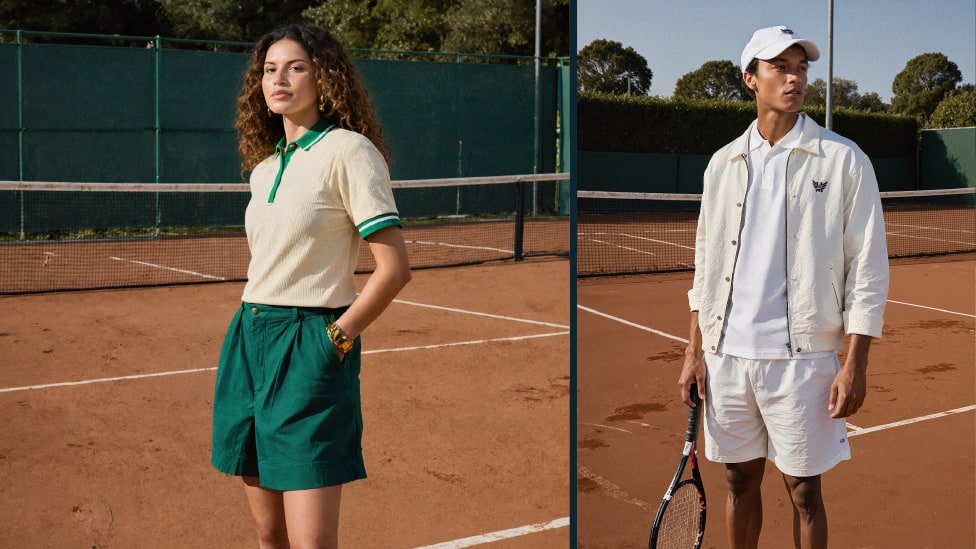
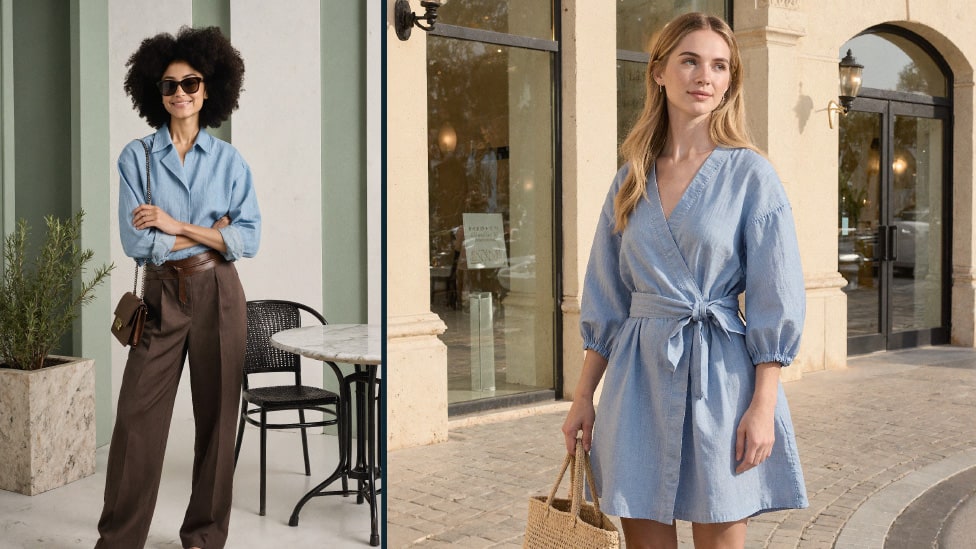
From the trained likeness, a stylist art-directs every new campaign — pose, wardrobe, location, mood — without bringing the talent back. Stills first, then animated through an image-to-video pass. Production economics shift from cost-per-shoot to cost-per-prompt; cadence shifts from one campaign per booking to dozens per week.
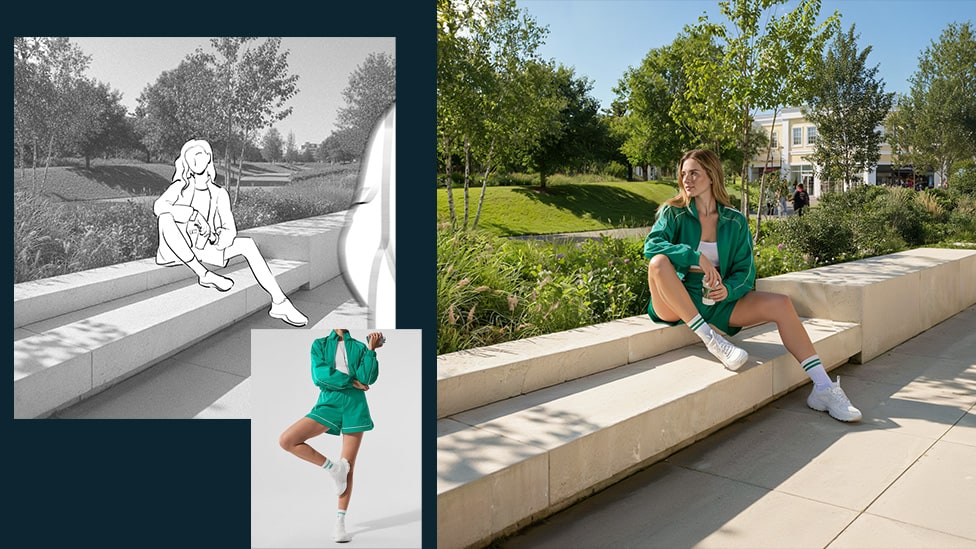
The talent doesn’t come back. The likeness does.
The first campaign earns the studio day. Every campaign after that is a digital twin operation — same likeness, new pose, new wardrobe, new setting, no re-booking.
Per-talent LoRAs trained on a structured dataset give the team a controllable version of every model on the roster. The brand keeps full art direction; production economics shift from cost-per-shoot to cost-per-prompt.
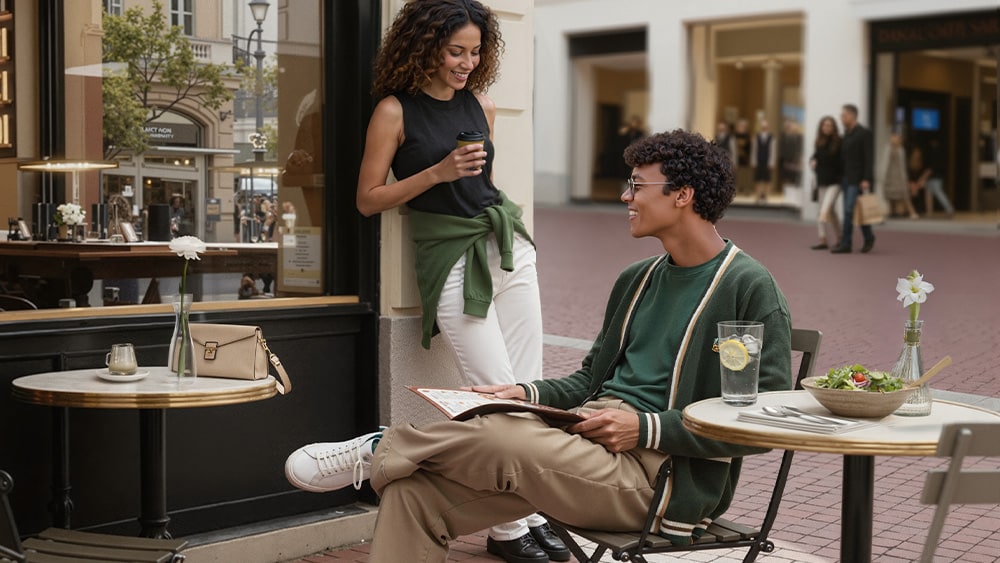 real shoot
Preparation
A comprehensive Amsterdam studio shoot captures each talent across diverse poses, outfits, and lighting stages. An annotation pass produces a clean, schema-aligned training dataset.
Generation
A per-talent LoRA trained on Stable Diffusion gives each model their own trigger token and a controllable likeness. Two modes: prompt-only for blue-sky exploration, prompt + control image for tight layout matching.
Adding life
An image-to-video pass animates the chosen stills. Same digital twin moves from print into motion without re-shooting a frame.
Dataset preparation & LoRA training at scale
Owned the full pipeline from studio capture to trained model — annotation taxonomy, dataset curation, and the training run itself. Trained every per-talent LoRA on 8 GPUs in parallel, taking the roster from one trained likeness at a time to a full set in the same window.
ComfyUI workflows + cloud GPU environments
Built the ComfyUI workflows the wider team used for generation, and stood up VM-based environments on L40S and H100 GPUs so artists could run them at scale without local hardware. Workflows and nodes auto-updated across the fleet whenever I shipped changes — every artist always running the latest version, no manual sync.
Custom ComfyUI nodes
Built bespoke nodes the team needed but ComfyUI didn’t ship — including masking helpers and agentic-workflow alternatives to Griptape. Lower friction for stylists, no waiting on upstream.
Structured prompt schema
Authored the schema stylists fill in instead of writing prompts from scratch — identity, pose, clothing, setting, aesthetics, anchored to a per-talent trigger token. The reusable IP: once it works for one talent, every new digital twin reuses it.